


Why is blow-in insulation a must?


Blow-in insulation using Insute high-performance insulation – application, benefits and reasons for installing blow-in insulation

The application of Insute insulation using blow-in technology is simple, fast, and requires no changes to the façade. A key advantage:

the material can be used in cavities from just 1 cm

This allows even narrow or irregular cavities to be insulated safely and permanently.


No scaffolding

1 day's work

Preservation of the facade

From just 1 cm
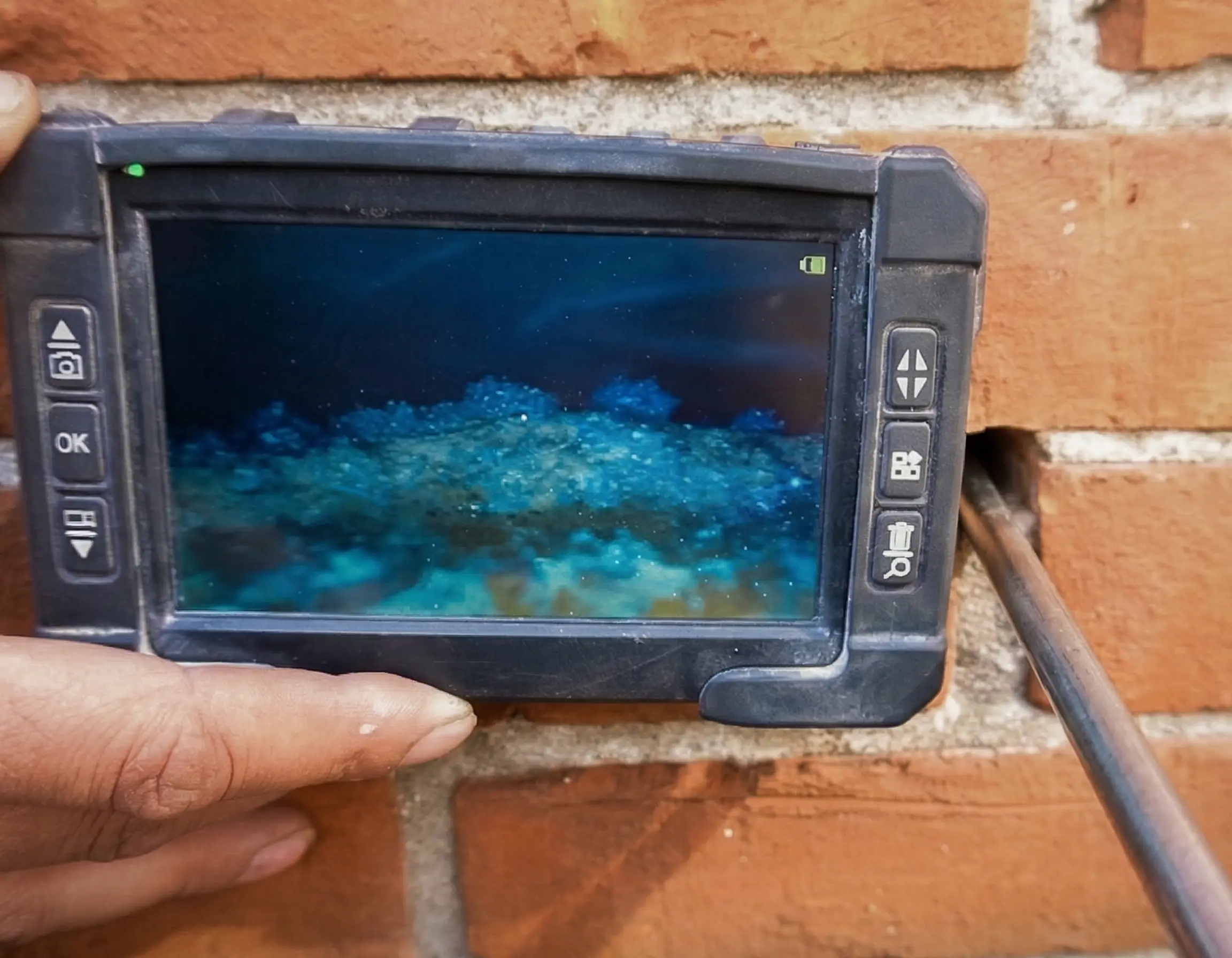
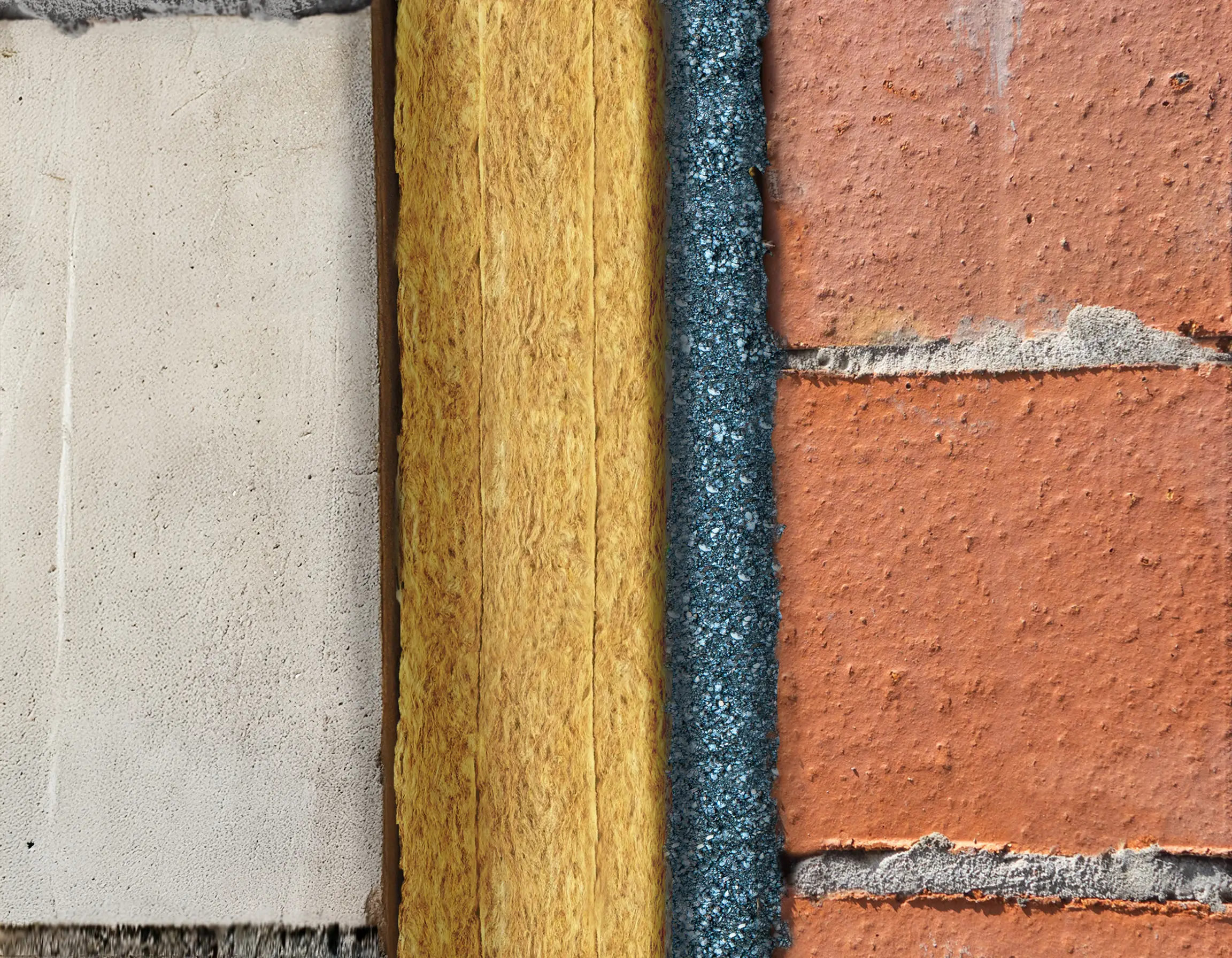
 

Blow-in insulation in cavity walls – why it is essential

Many property owners ask whether core insulation of cavity walls is really worthwhile. The answer is clear: yes—because cavity wall constructions offer ideal conditions for efficient energy upgrades.


A cavity wall consists of:

  • a load-bearing inner wall
  • an outer facing wall
  • a cavity in between

Originally, this cavity served moisture protection purposes. However, if left uninsulated, it leads to high heat loss, cold interior walls, and unnecessarily high heating costs.


By filling the cavity with insulation, air circulation (convection) is prevented, significantly improving thermal performance. The result: improved energy efficiency, optimal use of the building structure, and noticeably increased living comfort.


Why blow-in insulation is extremely effective

In uninsulated cavities, air circulates unchecked. This air movement carries heat away from the inner wall to the outside, increasing energy consumption.


By blowing in a suitable insulation material – such as our Insute insulation – this air circulation is permanently prevented. The heat remains inside the building, and heating energy consumption is significantly reduced.


Depending on the initial situation, this approach can often result in heating energy savings of up to 25%. This makes it one of the most cost-effective energy-saving measures for existing buildings – particularly when compared to costly external or internal insulation.


Insulation without altering the façade

A major advantage: the façade remains unchanged.

The material is injected through small drill holes, which are then closed again. This minimal intervention is particularly beneficial for clinker façades and listed buildings.

Insute blow-in insulation can be used to reliably fill cavities as small as 1 cm – making it ideal for older buildings with narrow or irregular wall structures.


How an insulated cavity improves living comfort

As well as saving energy, blowing insulation into cavity walls offers noticeable benefits in everyday life:

  • warmer, more comfortable interior walls
  • fewer draughts
  • consistent room temperatures
  • reduced risk of condensation and mould
  • langfristiger Schutz der Bausubstanz

The result is a healthier, more pleasant living environment – all year round.


Blow-in insulation – cost-effective, efficient and sustainable

This method offers an exceptionally good value for money.

It is:

  • quick to install
  • relatively inexpensive
  • usually carried out without scaffolding
  • completed within a day
  • pays for itself within just a few years

Lower energy consumption not only significantly reduces costs but also cuts CO₂ emissions, thereby actively supporting climate protection.


Conclusion:

For cavity walls, blow-in insulation is the first choice.
The advantages are clear:

Blow-in insulation is one of the most efficient and cost-effective ways to carry out energy-efficient refurbishment and modernization of existing buildings. It improves energy efficiency, reduces heating costs, protects the building fabric, preserves the appearance of the façade and noticeably increases living comfort.

For owners of properties with double-skin masonry, this type of insulation is a key step towards a future-proof, energy-efficient and sustainable building.

More topics

Installation, quality, and expertise on-site

Become a certified specialist contractor

Nach oben scrollen